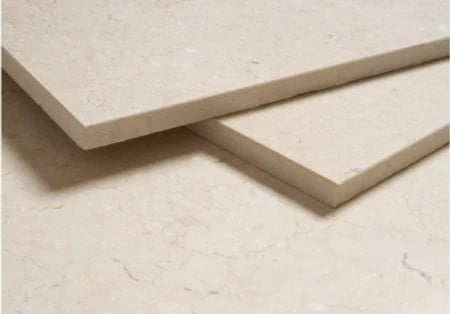
The United Kingdom continues to be one of the strongest markets for imported natural stone, especially limestone used in landscaping, garden design, pool areas, residential flooring, exterior cladding, and commercial construction. Thanks to its durability, natural warm tones, and competitive pricing, Egyptian limestone has become a top choice for UK architects, designers, stone yards, and distributors.
This guide explains everything British importers need to know about importing Egyptian limestone in 2026 — including UK customs rules, documentation, stone selection, shipping, inspection, and FAQs.
Why UK Buyers Prefer Egyptian Limestone
Egyptian limestone is well-suited for the UK market because it offers:
-
High durability for British weather conditions
-
Natural anti-slip finishes ideal for outdoor use
-
Warm beige & cream tones popular in UK architecture
-
Competitive pricing compared to European limestone
-
Large quantities available for commercial projects
-
Reliable and fast export processes
Some UK buyers also import Egyptian marble and granite together with limestone for mixed-stone shipments.
Popular complementary materials include:
sunny marble,
silvia marble,
triesta marble,
marble Egypt,
and granite types like new halayeb granite and black aswan granite.
Top Egyptian Limestone Types for the UK Market
UK buyers often prefer limestone with natural tones, textured finishes, and strong slip resistance — especially for outdoor landscaping.
1. Dijon Tumbled Limestone
A best-selling product in the UK thanks to its rustic, antique finish and excellent grip.
Common uses:
-
Patios
-
Driveways
-
Pool areas
-
Garden paths
-
Courtyards
2. Dijon Tumbled Limestone Pavers
These thicker, stronger pavers are ideal for heavy-use areas such as:
-
Public walkways
-
Driveways
-
Outdoor commercial zones
→ dijon tumbled limestone pavers
3. Split Face Limestone
One of the most popular decorative stones in the UK for:
-
Exterior facades
-
Accent walls
-
Garden features
-
Indoor fireplaces
-
Hotel lobbies
This material adds depth and texture to modern British architecture.
UK Requirements for Importing Limestone in 2026
Importing natural stone into the UK involves complying with HMRC and UK Border Force rules.
✔ Required documentation:
-
Commercial invoice
-
Packing list
-
Certificate of origin (Egypt)
-
Bill of lading
-
Fumigation certificate (for wooden crates)
-
UK EORI number (importer requirement)
-
Commodity code classification (under HS Chapter 68)
✔ Import duties & VAT:
-
Natural stone duties are usually low
-
Standard VAT applies (20%) unless importer is VAT-registered
-
Some stones may qualify for reduced tariffs depending on classification
CID Egypt provides all required export documentation for UK customs clearance.
Step-by-Step Guide: How to Import Egyptian Limestone to the UK
Step 1: Select the Limestone Type
UK buyers commonly select:
Many also import marble and granite in the same container:
Marble Options:
Granite Options:
Step 2: Request Samples & Approve Specs
Before ordering:
-
Request physical samples
-
Review finish options: tumbled, brushed, honed, sandblasted
-
Confirm thickness (20 mm and 30 mm are UK favorites)
-
Approve colors & textures
-
Get slab/tile photos and videos
Step 3: Inspection & Quality Control
Inspection includes:
-
Thickness check
-
Surface finish review
-
Color consistency approval
-
Edge quality
-
Bundle numbering
-
Packaging inspection
Professional Egyptian exporters always provide photos and videos before shipping.
Step 4: Packaging & Loading for UK Transport
Egyptian limestone is packed securely using:
-
Thick wooden crates
-
Foam and plastic protection
-
Moisture prevention wrapping
-
Strong pallet bases
-
Secure container loading
UK importers often prefer heat-treated and stamped wooden crates (ISPM 15 standard).
Step 5: Shipping to the UK
Common UK ports receiving Egyptian stone:
-
Felixstowe
-
London Gateway
-
Southampton
-
Liverpool
Transit time from Egypt to the UK is typically:
11–17 days by sea, depending on the shipping line.
Shipping terms used:
-
FOB (most common)
-
CIF (many UK importers prefer this)
-
Door-to-door (available upon request)
Step 6: Customs Clearance in the UK
Your customs broker will handle:
-
Entry declaration
-
Duty & VAT calculation
-
Risk assessment check
-
Wooden packaging inspection
-
Container release
UK customs clearance is typically smooth for natural stone.
Frequently Asked Questions (FAQs)
1. What is the most popular Egyptian limestone in the UK?
dijon tumbled limestone is the top seller due to its rustic finish and slip resistance.
2. Can limestone and marble be shipped together for the UK?
Yes — many UK importers load mixed containers with
triesta marble,
split face, and
aswan red granite.
3. Do UK customs require heat-treated wooden crates?
Yes — ISPM 15-certified wood is mandatory.
4. How long does production take?
Production typically takes 1–3 weeks, depending on order size.
5. What finishes do UK buyers prefer?
Tumbled, brushed, and sandblasted finishes are the most demanded.
6. Can I import small test orders?
Yes — mixed pallets or smaller trial shipments are available.
7. Is Egyptian limestone good for British weather?
Absolutely — it performs exceptionally well outdoors, especially tumbled limestone.
📞 Contact CID Egypt for Orders & Inquiries
📞 Mobile: +20 100 164 9770
💬 WhatsApp: https://wa.me/201001649770
✉️ Email: [email protected]
🌐 Contact Form: https://www.cidegypt.com/contact-us/