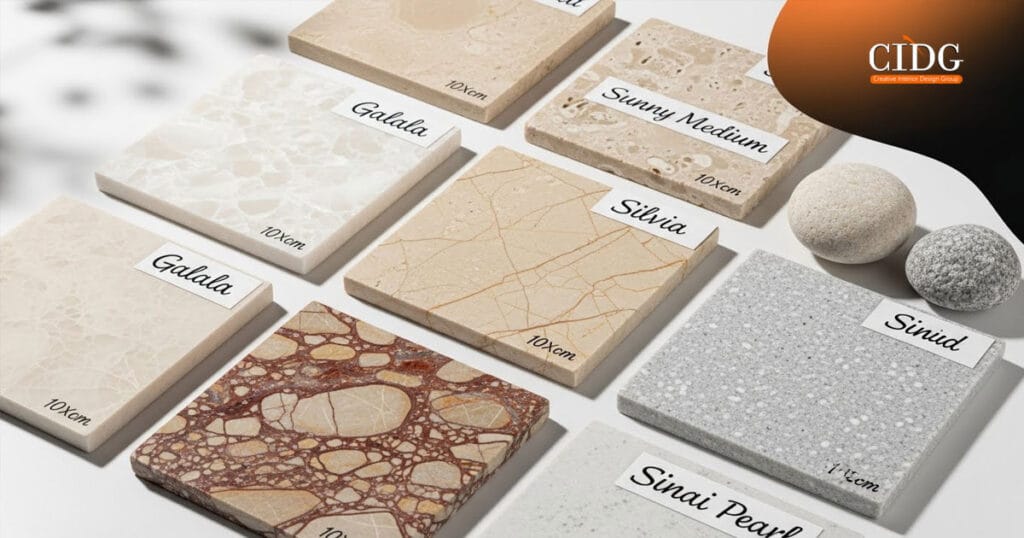
Egyptian marble continues to be one of the most demanded natural stones worldwide in 2026. With its large quarry reserves, elegant color range, strong durability, and competitive pricing, Egypt supplies millions of square meters of marble to over 60 countries every year.
Whether you are a stone distributor, contractor, or project owner, this guide will help you understand the top Egyptian marble types in 2026 and how to source them efficiently.
Why Egyptian Marble Is a Global Favorite
Egyptian marble is known for:
Warm beige & creamy tones
High compressive strength
Versatile applications
Competitive pricing
Reliable production & export capacity
Wide availability in multiple finishes
Egypt provides a natural blend of beauty, durability, and practicality that appeals to modern and classic architectural styles alike.
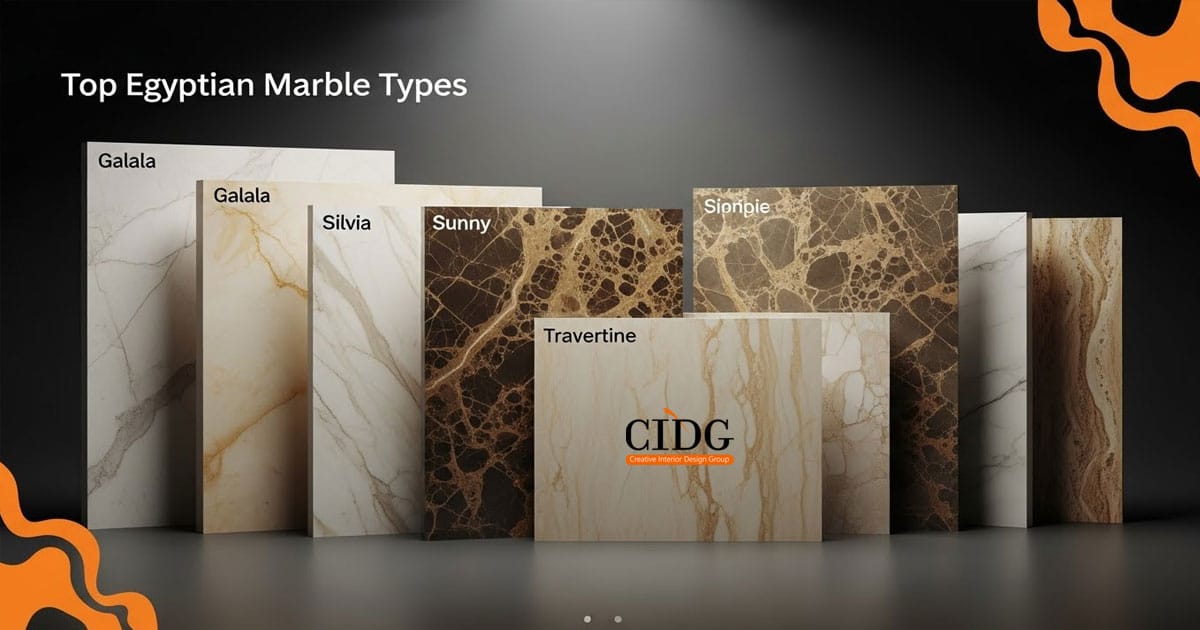
Top Egyptian Marble Types in 2026
Here are the most popular and widely exported Egyptian marble varieties for 2026.
1. Galala Marble
A timeless Egyptian classic, galala marble is known for its beautiful beige color, uniform texture, and minimal veins. It is ideal for:
Flooring
Interior walls
Staircases
Bathroom surfaces
Its warm, elegant tone suits hotels, residences, malls, and public projects.
2. Triesta Marble
triesta marble is one of the most exported Egyptian stones thanks to its consistent beige tone and durable structure. It is used for:
Large commercial areas
Government buildings
Urban developments
Exterior cladding
It performs exceptionally well in both indoor and outdoor environments.
3. Sunny Marble
sunny marble is popular for its soft beige color, subtle waves, and strong durability. It is widely used for:
Residential floors
Commercial flooring
Outdoor areas
Villas and landscaping
It offers great value for money and wide availability.
4. Silvia Marble
Recognizable by its horizontal veins, silvia marble is a favorite for:
Wall cladding
Lobby designs
Interior decoration
Bathroom walls
Its linear patterns add modern elegance to any space.
5. Galala Beige Marble
A refined variation of Galala, galala beige marble offers warm beige tones and a luxurious feel. It is ideal for high-end residential and commercial projects.
6. Blending Marble with Limestone & Granite
Most importers mix marble with other Egyptian stones for better logistics efficiency.
Limestone Options
Granite Options
Combining stones in one container lowers shipping costs significantly.
How to Source Egyptian Marble in 2026
Here are the key steps to follow for a smooth sourcing process:
Step 1: Identify Your Marble Requirements
Start by choosing the marble types you need:
You can also include limestone or granite in the same shipment.
Step 2: Choose a Reliable Supplier
A trusted supplier should offer:
Consistent quality
Modern production lines
Professional export experience
Transparent pricing
Skilled inspection team
Strong crate packaging
CID Egypt is one of the most reputable exporters serving Europe, the Gulf, Africa, Asia, and the US.
Step 3: Request Samples & Specifications
Before confirming your order:
Request physical samples
Check color and pattern consistency
Review available finishes (polished, honed, brushed)
Request photos and videos of slabs and tiles
Confirm thickness and sizes
This ensures accurate expectations and quality satisfaction.
Step 4: Inspection & Quality Control
Inspection typically includes:
Checking slab/tile thickness
Reviewing polishing or honing quality
Examining color uniformity
Ensuring edges and corners are clean
Confirming correct quantity and bundle numbers
A strong inspection process ensures you receive the exact material you ordered.
Step 5: Packing & Loading
Egyptian marble is packed using:
Wooden crates (tiles)
Wooden bundles (slabs)
Foam sheets between pieces
Plastic & moisture-resistant wrapping
Secure container loading
This protects the stone during global transportation.
Step 6: Shipping & Documentation
Your supplier should provide:
Commercial invoice
Packing list
Certificate of origin
Quality certificate
Fumigation certificate (if required)
Bill of lading
These documents help you clear customs smoothly in your destination country.
Step 7: Combine with Other Stone Types
To optimize logistics, you can mix:
Limestone
Granite
Stone mixing is very common for importers who want to maximize container value.
Frequently Asked Questions (FAQs)
1. Which Egyptian marble is best for indoor flooring?
triesta marble and sunny marble are excellent for high-traffic indoor flooring.
2. Is Egyptian marble suitable for commercial projects?
Yes — stones like galala marble are widely used in malls, hotels, and public buildings.
3. Can marble be used for outdoor applications?
Yes. silvia marble and sunny marble are durable enough for outdoor use.
4. Can I mix marble, limestone, and granite in the same container?
Absolutely — mixing split face, sunny marble, and black aswan granite is very common.
5. How long does marble production take?
Typically 1–3 weeks, depending on quantity and finishing.
6. Do exporters provide pre-loading photos and videos?
Yes — reputable suppliers send full documentation with slab and tile photos before shipment.
7. Is Egyptian marble cost-effective for wholesalers?
Yes — compared to European or Turkish marble, Egyptian marble offers significantly better pricing without sacrificing quality.
📞 Contact CID Egypt for Orders & Inquiries
📞 Mobile: +20 100 164 9770
💬 WhatsApp: https://wa.me/201001649770
✉️ Email: marketing@cidegypt.com
🌐 Contact Form: https://www.cidegypt.com/contact-us/