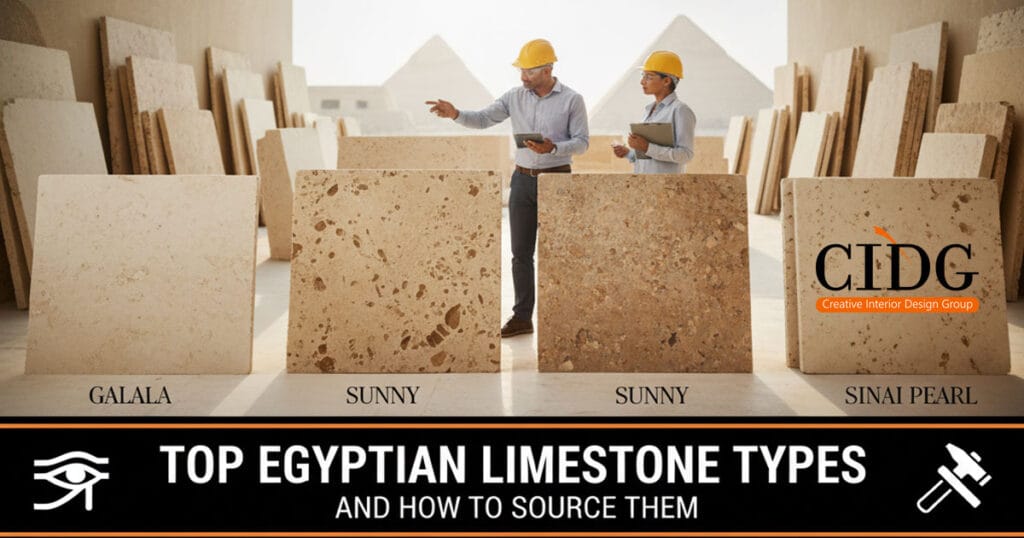
Egypt has always been a global leader in limestone production, supplying countries worldwide with durable, elegant, and competitively priced natural stone materials. In 2026, demand for Egyptian limestone continues to rise as architects, developers, and stone distributors increasingly prefer natural, environmentally friendly materials.
This guide highlights the most popular Egyptian limestone types, how they are used, and how you can source them directly and efficiently from Egypt.
Why Egyptian Limestone Is in High Demand
Egyptian limestone is valued for:
Soft, warm beige and cream tones
Durable structure suitable for heavy-use areas
Versatility across interior and exterior applications
Competitive pricing
Long-term availability from large quarries
High-quality finishing standards
It is commonly used in:
Flooring
Pool decks
Wall cladding
Garden pathways
Architectural facades
Landscaping projects
Many of these applications also incorporate Egyptian marble types such as:
galala marble,
triesta marble,
sunny marble,
silvia marble,
galala beige marble,
and more.
Top Egyptian Limestone Types in 2026
Here are the most demanded limestone varieties Egyptian factories expect to export heavily in 2026.
1. Dijon Tumbled Limestone
A global favorite, known for its antique, rustic surface and high slip resistance. Ideal for outdoor applications such as:
Pool decks
Patios
Villas
Garden walkways
Courtyard paving
This stone continues to dominate premium landscape projects across Europe and the Middle East.
2. Dijon Tumbled Limestone Pavers
These pavers offer the same durability and beauty as Dijon limestone tiles but in formats specifically designed for outdoor walkways and driveways.
→ dijon tumbled limestone pavers
Pavers are widely used for commercial and residential outdoor flooring due to their strength and safety.
3. Split Face Limestone
Split face limestone is one of the most popular decorative stones for 2026, used for:
Interior feature walls
Exterior building facades
Garden borders
Hotel lobbies
Accent walls
Its natural, textured appearance adds depth and warmth to any architectural design.
4. Limestone Used Alongside Egyptian Marble
Many projects prefer a mix of limestone and marble, creating luxurious and visually appealing combinations.
Popular options include:
They blend beautifully with limestone due to their soft beige tones.
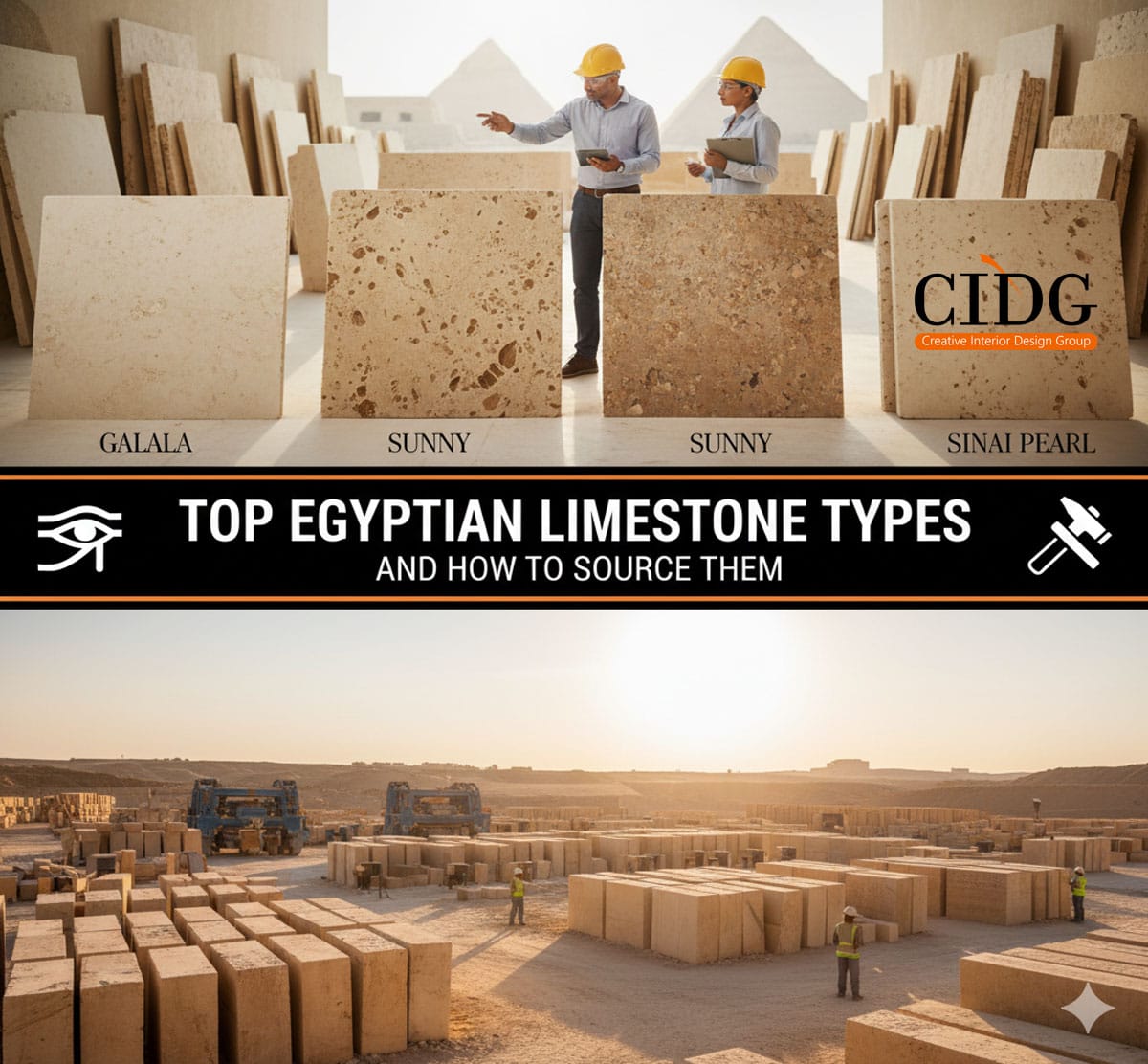
How to Source Egyptian Limestone in 2026
Importers can follow these clear steps to ensure a smooth sourcing experience:
Step 1: Identify Your Required Stone Types
Select which limestone options fit your project’s technical needs:
Marble options like marble Egypt
Granite options like new halayeb granite, black aswan granite, and aswan red granite
Mixing materials is commonly done to optimize shipping.
Step 2: Choose a Trusted Supplier
Your supplier should offer:
Strong export experience
Consistent product quality
Modern machinery
High-quality finishes
Clear communication and fast response
Strong wooden packing and safe loading
CID Egypt is widely known for supplying limestone, marble, and granite to Europe, the Gulf, Asia, and the US.
Step 3: Request Samples & Technical Specifications
Before confirming:
Request physical samples
Review finish options (tumbled, brushed, honed, sandblasted)
Confirm tile or paver thickness
Check color and texture consistency
Ask for photos and videos of available batches
This guarantees your chosen material matches your project’s expectations.
Step 4: Inspection & Quality Control Procedures
Inspection of limestone includes:
Checking thickness (common: 1.5 cm, 2 cm, 3 cm)
Reviewing edges and corners
Inspecting surface finish
Checking color consistency
Bundle numbering
Receiving detailed photos before shipping
Professional inspection minimizes risk and ensures accurate results.
Step 5: Packing & Shipping Limestone
Limestone is packed using:
Thick wooden crates
Foam and plastic interior protection
Moisture-resistant wrapping
Palletized loading for easier handling
Well-secured container loading
Strong packing is essential for safe shipping due to limestone’s natural weight and fragility.
Step 6: Required Documentation
Importers receive:
Commercial invoice
Packing list
Certificate of origin
Quality certificate
Fumigation certificate (if needed)
Bill of lading (BL)
These ensure smooth customs clearance in your destination country.
Step 7: Combine Limestone With Marble & Granite
To reduce logistics costs, many buyers load mixed containers including:
Limestone
Marble
Granite
This strategy maximizes cost efficiency.
Frequently Asked Questions (FAQs)
1. Which limestone finish is best for outdoor use?
Tumbled, brushed, and sandblasted finishes are ideal for outdoor flooring due to their grip and durability.
2. Can limestone be used around swimming pools?
Yes — materials like dijon tumbled limestone are perfect because they stay cool and are slip-resistant.
3. Can I combine limestone, marble, and granite in the same order?
Absolutely. Many importers ship mixed containers of split face, sunny marble, and black aswan granite.
4. What is the typical thickness for limestone tiles?
Common thicknesses include 1.5 cm, 2 cm, and 3 cm, depending on usage.
5. Are Egyptian limestones suitable for commercial projects?
Yes — they are durable, attractive, and widely used in hotels, malls, and public projects.
6. Do suppliers send samples before shipping?
Yes. Professional exporters provide samples, photos, and videos for approval.
7. How long does production take?
Production usually takes 1–3 weeks, depending on order size and finishing.
📞 Contact CID Egypt for Orders & Inquiries
📞 Mobile: +20 100 164 9770
💬 WhatsApp: https://wa.me/201001649770
✉️ Email: marketing@cidegypt.com
🌐 Contact Form: https://www.cidegypt.com/contact-us/