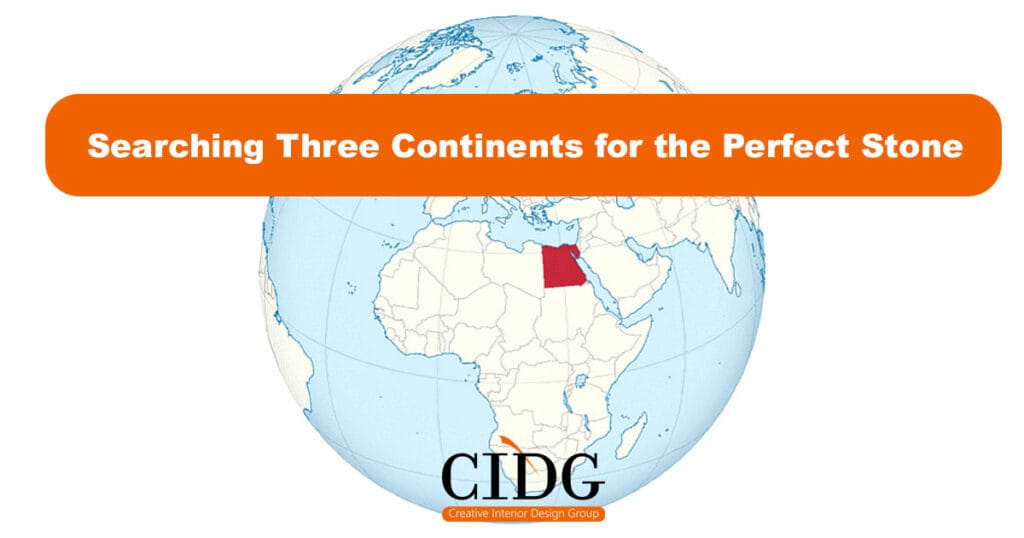
A Brother Abroad: Searching Three Continents for the Perfect Stone
When my brother and I began redesigning his riverside home on the Thames near Windsor, we knew the soul of the project would lie in the materials. The limestone balustrading and exterior paving were not simply finishes; they would define the terraces, façades, and architectural character of the entire home.
We were not searching for ordinary stone. Our goal was elegance, durability, and craftsmanship—materials that would age gracefully and perform technically for decades. My role was clear: find the right stone supplier, wherever in the world that search might lead.
A Global Search Begins
The search started with well-established stone-producing regions, including Portugal, India, Turkey, and Egypt. Each offered strengths, but the project demanded far more than visual appeal.
We needed a supplier capable of understanding architectural intent, interpreting complex drawings, and delivering precision-cut stone components with absolute consistency.
- Portugal offered refined tones and quality, but costs were high and bespoke collaboration was limited.
- India excelled in scale and pricing, yet translating detailed CAD drawings into exact stone components proved challenging.
- Turkey was competitive, but inconsistent sample results raised concerns about long-term continuity.
- Egypt emerged as an unexpected yet compelling contender, backed by centuries of stone craftsmanship.
Due Diligence in the Land of Stone
To assess Egypt properly, I travelled to Cairo to visit CID Egypt, a company that stood out for its architectural focus rather than pure material trading.
From the first meeting, it was clear this was not a conventional stone supplier. Discussions focused on tolerances, joint detailing, transitions, and finishes—exactly the conversations architects expect.
Over several weeks, I followed the full production process, from quarry block selection through cutting, profiling, and finishing. Each element was measured, tested, and documented.
Outside the factory, Egypt’s stone legacy became impossible to ignore. Visiting Giza, Luxor, and Aswan reinforced how stone—when expertly handled—can endure for millennia. That lineage continues today through materials such as Egyptian marble and Egyptian granite.
Assessing Performance, Cost, and Risk
Our decision relied on data, not sentiment. Laboratory testing compared density, compressive strength, porosity, and weather resistance across samples from all countries.
Egyptian limestone exceeded expectations, performing on par with—or better than—European alternatives, making it ideal for the UK climate.
From a logistics perspective, CID Egypt managed everything from production to shipment through London Gateway Port. Their team supported customs coordination and inland transport, offering complete visibility throughout the process.
The same level of reliability applied across their broader portfolio, from Galala marble and Galala beige marble to robust granite selections such as New Halayeb granite, Black Aswan granite, and Aswan red granite.
Negotiation Through Technical Partnership
Negotiations went beyond pricing. Mock-ups were reviewed, finishes refined, and production schedules aligned. CID Egypt’s willingness to engage technically—not just commercially—set them apart.
By the end of my visit, the choice was obvious. That evening, I called my brother in Windsor and told him we had found our supplier.
Reflections from the Nile
This journey became more than procurement. It was a reminder that heritage and modern engineering can coexist seamlessly.
Stone that once shaped ancient civilization is still being refined today—now appearing in contemporary homes along the Thames, finished with techniques such as split face cladding, honed surfaces, and architectural detailing.
Key Lessons for Architects and Homeowners
- Do not limit sourcing by geography—true quality is global.
- Choose partners who understand architectural language.
- Laboratory testing validates performance beyond appearance.
- Strong logistics management reduces risk and ensures peace of mind.
Frequently Asked Questions (FAQs)
Why source stone internationally instead of locally?
International sourcing opens access to superior materials, better value, and specialized craftsmanship not always available locally.
Is Egyptian stone suitable for European climates?
Yes. Properly tested Egyptian limestone, marble, and granite perform exceptionally well in cold and wet climates.
What stones work best for exterior balustrades and paving?
Limestone and granite are ideal, including options like Dijon tumbled limestone and Dijon tumbled limestone pavers.
How important is technical collaboration with a stone supplier?
It is critical. Precision cutting, tolerances, and finish consistency depend on clear technical dialogue.
What makes granite a reliable long-term choice?
Granite’s density and durability make it ideal for high-load and exterior applications, especially premium options from granite Egypt.
📞 Contact CID Egypt for Orders & Inquiries
📞 Mobile: +20 100 164 9770
💬 WhatsApp: https://wa.me/201001649770
✉️ Email: marketing@cidegypt.com
🌐 Contact Form: https://www.cidegypt.com/contact-us/