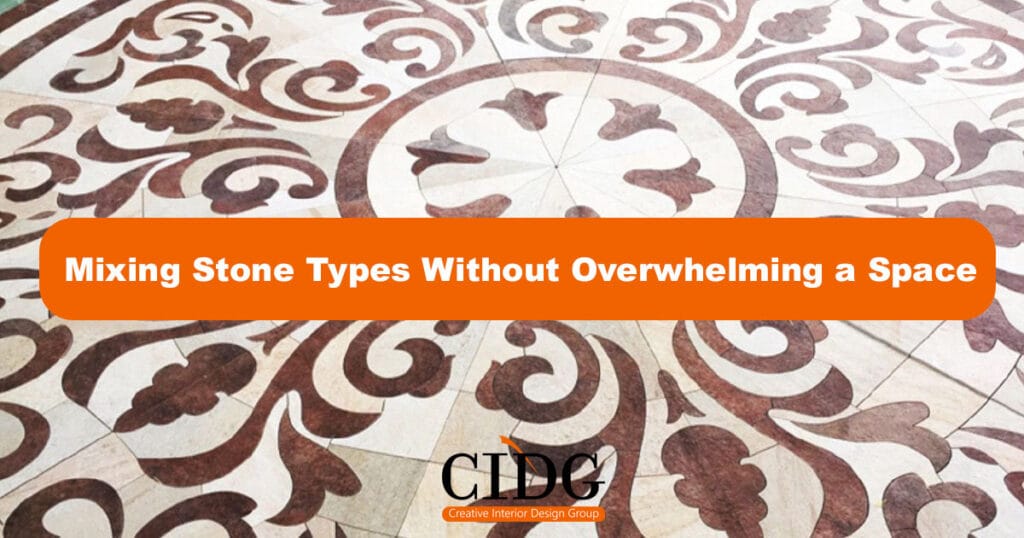
A Designer’s Guide to Mixing Stone Types Without Overwhelming a Space
When planning a refined and harmonious interior, material selection plays a defining role. Natural stone—whether marble, limestone, or granite—adds timeless elegance, but combining multiple stone types requires careful balance. Without thoughtful planning, the result can feel visually heavy rather than sophisticated.
This guide explains how to successfully mix stone types in interior spaces while maintaining cohesion, elegance, and functionality.
Understand the Personality of Each Stone
Each stone has a distinct character, visual weight, and functional role. Understanding these qualities is the foundation of successful stone combinations.
- Marble: Known for luxury and movement, marble’s veining and refined surface make it ideal for accents and statement elements. Premium options such as Egyptian marble, Galala marble, Galala beige marble, Triesta marble, Sunny marble, and Silvia marble are commonly used for feature walls, tabletops, and decorative surfaces.
- Limestone: Soft, calming, and understated, limestone works perfectly as a background material. Textured options such as Dijon tumbled limestone and Dijon tumbled limestone pavers bring warmth without visual dominance.
- Granite: Dense and highly durable, granite anchors a space. High-quality selections like Egyptian granite, including New Halayeb granite, Black Aswan granite, and Aswan red granite, are ideal for high-traffic areas.
Why Visual Weight Matters in Stone Design
Every stone carries visual weight based on color, pattern, and texture. Overusing bold stones can overpower a room, while balanced combinations allow the eye to move smoothly throughout the space.
Successful designs ensure that no single stone dominates unless intentionally used as a focal point.
Choose One Dominant Stone
Every interior should have a primary stone that establishes visual hierarchy. This dominant material sets the tone, allowing other stones to complement rather than compete.
- Limestone works beautifully as a calming base for living areas.
- Granite is ideal for kitchens and bathrooms due to durability and easy maintenance.
- Marble should be used strategically as an accent to avoid visual overload.
Maintain a Consistent Color Palette
Color harmony is essential when mixing stones. Choosing stones with compatible undertones creates a cohesive and intentional look.
Avoid combining stones with sharply contrasting hues or aggressive veining patterns. Instead, select materials within the same color family to maintain visual flow.
Balance Bold Patterns with Subtle Textures
Combining contrast thoughtfully adds interest without chaos. A strongly veined marble paired with calm limestone creates depth, while granite grounds the design and adds stability.
The key is balancing movement and simplicity to achieve visual equilibrium.
Control Finishes for a Unified Look
Stone finishes significantly influence the final appearance of a space. Honed, polished, brushed, and flamed finishes each convey a different mood.
Too many finishes create visual clutter. A refined approach—such as pairing honed limestone with polished granite—results in a clean, sophisticated aesthetic.
Use Stone Zoning to Define Spaces
Stone zoning assigns different materials to specific areas, helping define function and flow. Kitchens, bathrooms, and living spaces benefit from tailored stone choices.
Smooth transitions between zones prevent abrupt visual breaks and maintain continuity.
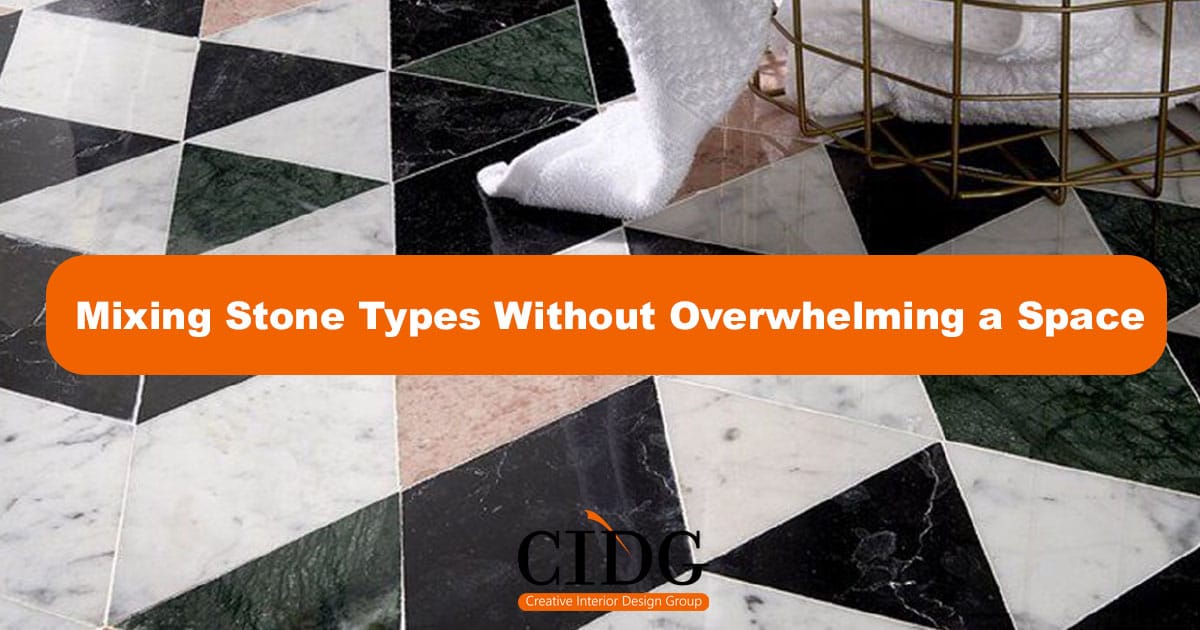
Maintain Proper Proportions and Scale
Limiting stone types to two or three prevents visual overload. Large-format slabs reduce joints and seams, creating cleaner lines and a calmer appearance.
Accent stones should be used sparingly to enhance, not dominate, the design.
Consider Lighting and Its Effect on Stone
Lighting dramatically affects how stone is perceived. Natural light highlights texture and depth, while artificial lighting can enhance or distort color.
Highly reflective surfaces may cause glare, so selecting finishes that diffuse light helps maintain comfort and visual clarity.
Blend Stone with Other Natural Materials
Pairing stone with wood, metal, or glass softens its presence and adds warmth. These combinations balance hardness with comfort, creating inviting and dynamic interiors.
Common Mistakes to Avoid
- Mixing too many stone types
- Ignoring undertones and finishes
- Overusing marble in high-traffic areas
- Failing to test materials under real lighting conditions
Practical Designer Tips
Always review stone samples side by side and observe them in both natural and artificial lighting. Early consultation with stone specialists and fabricators provides valuable insight into performance and suitability.
Frequently Asked Questions (FAQs)
Can marble, limestone, and granite be used together?
Yes, when balanced correctly with clear hierarchy, consistent colors, and controlled finishes.
What stone should be dominant in an interior?
Limestone or granite typically work best as dominant materials, while marble is best used as an accent.
How many stone types should be used in one space?
Ideally, limit the design to two or three stone types to maintain visual harmony.
Does lighting affect stone appearance?
Yes, lighting significantly impacts color, texture, and reflection, making it essential to test stones in real conditions.
Is granite better for high-traffic areas?
Yes, granite’s durability makes it ideal for kitchens, bathrooms, and frequently used surfaces.
📞 Contact CID Egypt for Orders & Inquiries
📞 Mobile: +20 100 164 9770
💬 WhatsApp: https://wa.me/201001649770
✉️ Email: marketing@cidegypt.com
🌐 Contact Form: https://www.cidegypt.com/contact-us/