What Architects Look for in a Stone Supplier (And How to Choose One)
For architects, selecting a stone supplier is not simply about choosing a beautiful material. It is about finding a reliable technical partner—one who understands design intent, construction realities, and long-term performance.
The right stone supplier supports architectural vision, ensures material consistency, and minimizes risk throughout the project lifecycle. This guide outlines exactly what architects prioritize when choosing a stone supplier and how to make an informed decision.
Architectural Understanding Comes First
Architects value suppliers who speak the language of design. This means understanding drawings, tolerances, joint alignment, and how stone interacts with surrounding materials.
A supplier experienced in architectural stone can interpret complex elevations, sections, and details—whether the project involves feature walls, façades, flooring, or cladding systems.
Material Performance, Not Just Appearance
While aesthetics matter, performance is non-negotiable. Architects evaluate stone based on density, porosity, compressive strength, and weather resistance.
High-performing materials such as Egyptian granite and premium marble options like Egyptian marble are frequently specified because they meet both visual and technical requirements.
Reliable suppliers provide laboratory test reports that confirm the stone’s suitability for the intended application and climate.
Consistency Across Production
One of the biggest concerns in architectural projects is consistency. Architects look for suppliers who can deliver uniform color, texture, and finish across large quantities.
This is especially important in exterior works, balustrades, and façades, where even minor variations become highly visible.
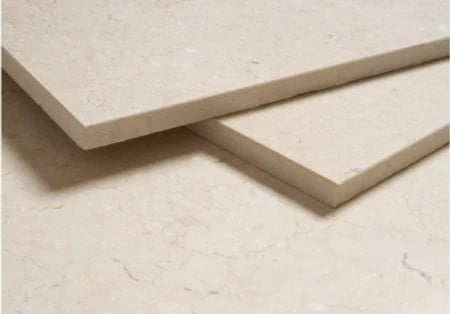
Stone ranges such as Galala marble, Galala beige marble, and Triesta marble are often specified for their stable tones and consistent appearance.
Ability to Supply the Right Stone for the Right Function
Architects do not choose stone purely by type—they choose it by function.
- For high-traffic and load-bearing areas, dense stones such as New Halayeb granite, Black Aswan granite, and Aswan red granite are preferred.
- For interior accents and refined architectural details, marble varieties like Sunny marble and Silvia marble offer elegance and warmth.
- For outdoor flooring and landscape integration, textured limestone options such as Dijon tumbled limestone and Dijon tumbled limestone pavers provide both slip resistance and visual softness.

Finish Expertise and Application Knowledge
Architects rely on suppliers who understand how finishes affect performance, safety, and longevity.
For example, textured finishes such as split face stone are ideal for façades and feature walls, while honed or polished finishes may be better suited for interiors.
A professional stone supplier advises on finishes based on exposure, maintenance expectations, and visual impact.
Logistics, Timelines, and Risk Management
Stone delays can disrupt entire construction schedules. Architects favor suppliers who manage production, packaging, and shipping efficiently.
Reliable partners coordinate quantities, lead times, and delivery sequences while maintaining clear communication throughout the project.
Established sourcing networks, such as those behind granite Egypt and marble Egypt, reduce uncertainty and improve project outcomes.
How Architects Can Choose the Right Stone Supplier
Before committing to a supplier, architects should consider the following:
- Does the supplier understand architectural drawings and specifications?
- Can they provide test reports and technical data?
- Is material consistency guaranteed across batches?
- Do they offer guidance on finishes and applications?
- Can they manage logistics and delivery reliably?
The best suppliers act as collaborators, not just vendors.
Frequently Asked Questions (FAQs)
Why do architects care so much about stone performance?
Because stone must meet safety, durability, and climate requirements while maintaining its appearance over decades.
Is Egyptian stone suitable for international architectural projects?
Yes. Properly tested Egyptian marble and granite are used globally in both residential and commercial architecture.
What stone is best for exterior architectural use?
Granite and dense limestone are preferred for exteriors due to their strength and weather resistance.
How important are stone finishes in architectural design?
Finishes affect slip resistance, heat behavior, maintenance, and visual impact—making them critical to correct specification.
Should architects work directly with stone suppliers?
Yes. Direct collaboration ensures better technical alignment, fewer errors, and stronger design outcomes.
📞 Contact CID Egypt for Orders & Inquiries
📞 Mobile: +20 100 164 9770
💬 WhatsApp: https://wa.me/201001649770
✉️ Email: [email protected]
🌐 Contact Form: https://www.cidegypt.com/contact-us/