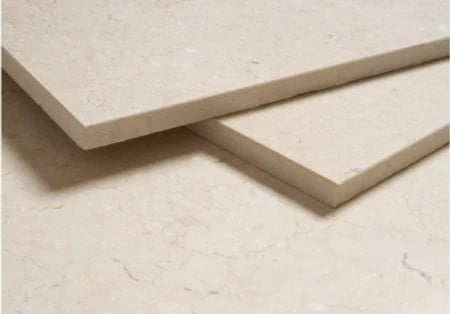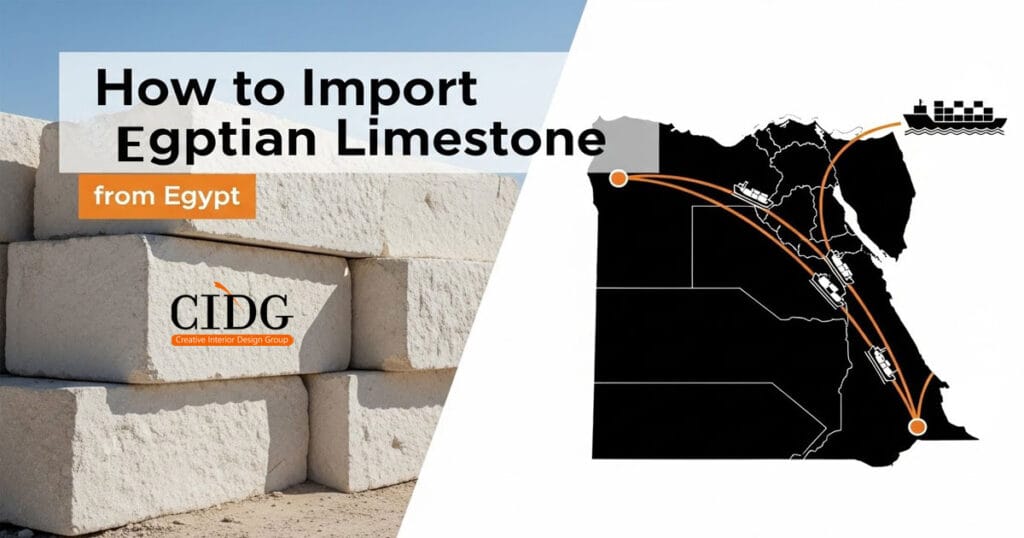
Egypt is one of the world’s largest producers of natural limestone, known for its durability, soft beige colors, versatility, and competitive pricing. Whether you’re a contractor, distributor, or project developer, importing Egyptian limestone is a strategic way to secure high-quality materials for both indoor and outdoor applications.
This guide explains everything you need to know about importing limestone from Egypt in 2025 — including material selection, inspection, packing, logistics, granite options, and FAQs.
Why Egyptian Limestone?
Egyptian limestone is highly sought after for several reasons:
-
Excellent strength and long-term durability
-
Beautiful neutral tones suitable for modern designs
-
Ability to withstand outdoor conditions
-
Consistent quality and finishing
-
Extremely competitive pricing
-
Reliable supply for large projects
Among the popular limestone and marble options in Egypt are:
These are often combined with limestone in the same container.
Step 1: Choose the Type of Egyptian Limestone You Need
Egyptian limestone comes in multiple finishes and colors suitable for:
-
Outdoor flooring
-
Pool surroundings
-
Wall cladding
-
Indoor flooring
-
Landscaping
-
Pathways and patios
Dijon Tumbled Limestone
A highly popular stone for outdoor use, villas, and landscape projects.
→ dijon tumbled limestone
Dijon Tumbled Limestone Pavers
Used for patios, walkways, and garden paths.
→ dijon tumbled limestone pavers
Split Face Limestone
Commonly used as decorative wall cladding.
→ split face
Egyptian suppliers also offer polished, honed, brushed, tumbled, and sandblasted finishes depending on the project’s requirements.
Step 2: Choose a Reliable Supplier in Egypt
Before importing limestone, always evaluate suppliers based on:
-
Product consistency
-
Experience in exporting globally
-
Quality control procedures
-
Transparent pricing
-
Availability of samples
-
Reliable packaging and loading
-
Production capacity for large orders
CID Egypt is one of the top suppliers, serving clients across Europe, the USA, the Gulf, and Asia.
Step 3: Inspection & Quality Control
A good exporter provides full inspection before shipping, including:
-
Checking thickness tolerance
-
Reviewing color and shade consistency
-
Inspecting surface finish
-
Verifying tile/slab dimensions
-
Ensuring clean edges & corners
-
Sharing photos & videos of all bundles
This ensures the limestone meets your exact specifications.
Step 4: Packing & Loading
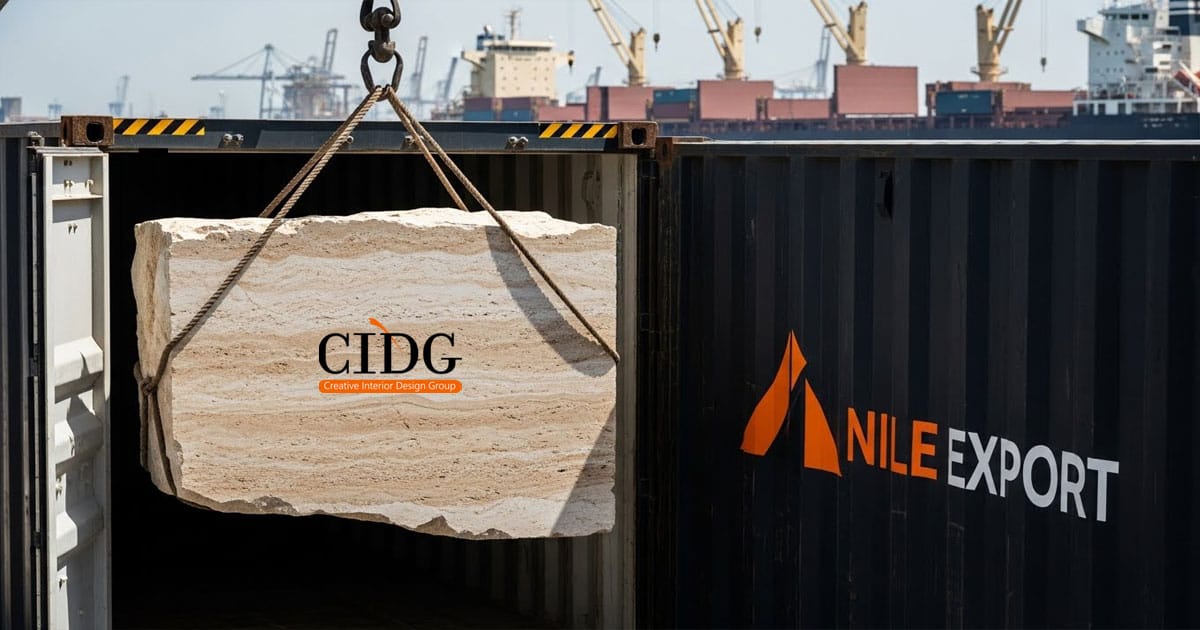
Egyptian limestone is packed with great care to withstand long-distance transport:
-
Strong wooden crates
-
Reinforced slats for extra stability
-
Foam & plastic protection
-
Anti-moisture wrapping
-
Secure loading into containers
A well-packed shipment minimizes breakage and lowers risks during shipping.
Step 5: Documentation Needed to Import Limestone
You typically receive:
-
Commercial invoice
-
Packing list
-
Certificate of origin
-
Fumigation certificate (if requested)
-
Quality certificate
-
Bill of lading (BL)
Egyptian exporters arrange all documentation and coordinate directly with freight forwarders.
Step 6: Combine Limestone with Egyptian Marble & Granite
Most buyers save on logistics by importing mixed materials in the same container.
Marble Options to Combine with Limestone
Granite Options to Combine with Limestone
Combining materials reduces container cost per square meter and optimizes shipping.
Frequently Asked Questions (FAQs)
1. What is the typical production time for limestone orders?
Production usually takes 1–3 weeks, depending on quantity, finishing, and material type.
2. Can limestone and marble be loaded together?
Yes — materials like sunny marble and dijon tumbled limestone are commonly loaded in the same container.
3. What is the best limestone finish for outdoor use?
Tumbled, brushed, sandblasted, and antique finishes are excellent for outdoor flooring.
4. Do suppliers provide quality photos before loading?
Reliable exporters always send detailed photos and videos of each crate and batch.
5. Is Egyptian limestone suitable for modern architectural projects?
Absolutely. Its soft beige tones and natural texture make it one of the most popular stones in contemporary design.
6. Can I import small trial orders?
Yes. Many importers start with a smaller mixed pallet to evaluate quality before placing larger orders.
7. How is limestone protected during shipping?
It is packed in strong wooden crates with foam, plastic, and moisture protection to ensure safe delivery.
📞 Contact CID Egypt for Orders & Inquiries
📞 Mobile: +20 100 164 9770
💬 WhatsApp: https://wa.me/201001649770
✉️ Email: [email protected]
🌐 Contact Form: https://www.cidegypt.com/contact-us/